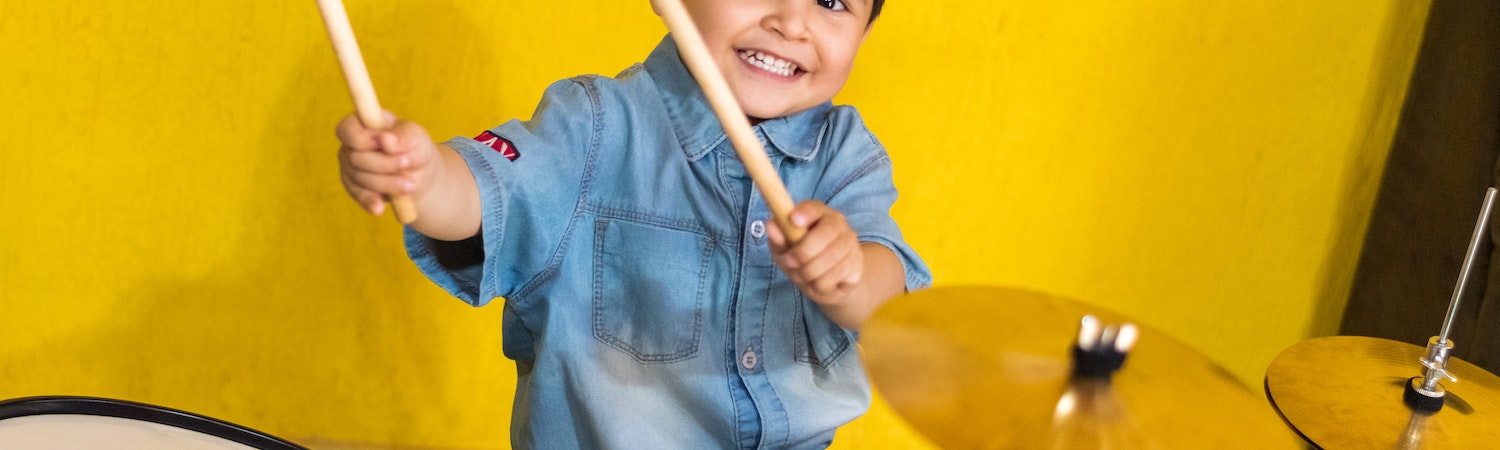
Learning a musical instrument is more than just a fun activity for children. It provides lifelong benefits that extend far beyond music lessons. From cognitive development to emotional wellbeing, encouraging your child to play an instrument can make a lasting impact.
Playing an instrument strengthens the brain. Children who learn music develop:
Improved memory and concentration – remembering notes, rhythms, and sequences exercises the brain
Enhanced problem-solving skills – understanding musical patterns and structures encourages logical thinking
Better academic performance – studies show a link between music lessons and higher test scores
Music also fosters emotional intelligence and social skills:
Expressing emotions through music promotes emotional awareness
Performing in ensembles or classes builds teamwork and communication skills
Regular practice teaches discipline, patience, and resilience
Playing an instrument improves fine motor skills and coordination:
Piano and string instruments enhance finger dexterity
Drums improve hand-eye coordination and rhythm
Encouraging children to learn an instrument offers far-reaching benefits, from boosting brain function to supporting emotional and social growth. Music is not only enjoyable but also a valuable tool for developing well-rounded skills that can last a lifetime.
SEO Title: Benefits of Learning a Musical Instrument for Kids
Meta Description: Discover the cognitive, emotional, and physical benefits of learning a musical instrument for children. Music lessons support growth and development.
Keywords: benefits of music for kids, learning musical instruments, children music lessons, music education for children
Practising music at home is essential for progress, whether your child is taking lessons or you’re learning as an adult. However, practising efficiently requires more than just repeating pieces over and over. Here are strategies to help you or your child practise effectively and enjoyably.
Consistency is key. Try to practice:
Daily, even if it’s 15–30 minutes for beginners
At a quiet time free from distractions
With a short warm-up to prepare hands and mind
Focus on manageable parts:
Work on short passages rather than the entire piece at once
Practice difficult sections slowly before increasing speed
Use repetition to build muscle memory and accuracy
Metronome: Helps maintain rhythm and timing
Recording: Listen back to identify areas to improve
Backing tracks or apps: Provide accompaniment and simulate playing with others
Incorporate games or challenges for children
Rotate songs or styles to keep sessions engaging
Celebrate small milestones to stay motivated
Regular lessons with a teacher provide personalised guidance
Parents can encourage and track progress at home
Constructive feedback accelerates improvement
Effective practice is about consistency, focus, and enjoyment. By setting a schedule, breaking pieces into sections, using tools, and staying motivated, you can make the most of home practice and achieve faster progress while keeping music fun.