Introducing your child to music can be a wonderful way to develop creativity, coordination, and confidence. But how do you know if your child is ready to start music lessons? Every child develops at their own pace, and readiness depends on a mix of age, interest, and attention span. This guide will help you determine if your child is ready to take the next step into music.
While there is no strict age for starting music lessons, certain instruments are better suited to specific age groups. For example:
Piano and keyboard: Ages 4–5 is a common starting point for introductory lessons
Violin or cello: Some children start as young as 3–4 with smaller-sized instruments
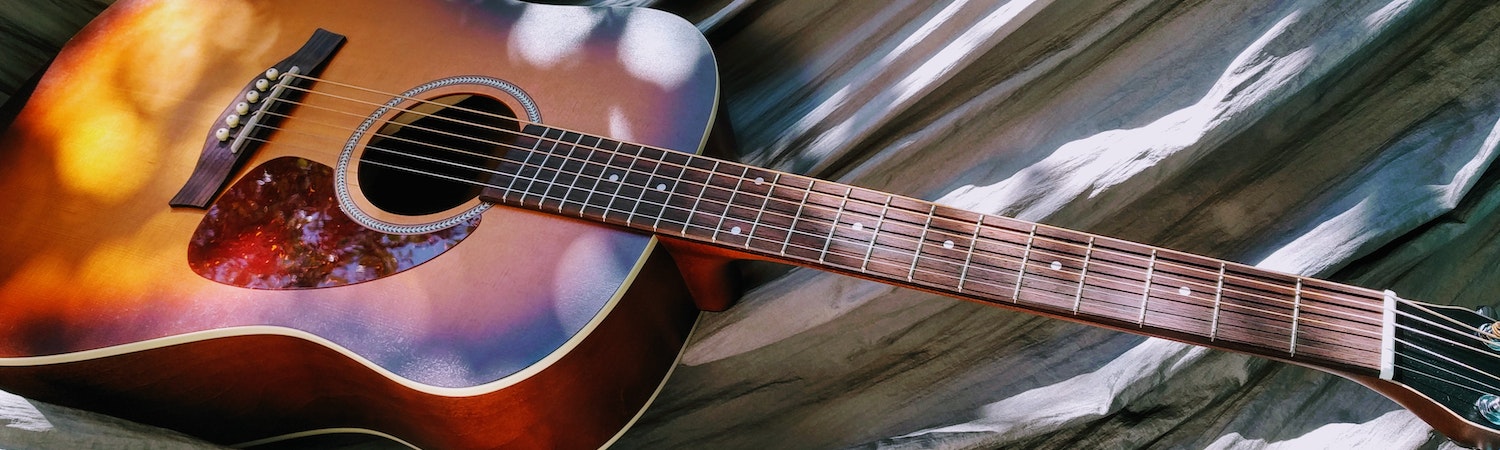
Guitar and ukulele: Typically suitable from around age 6–7
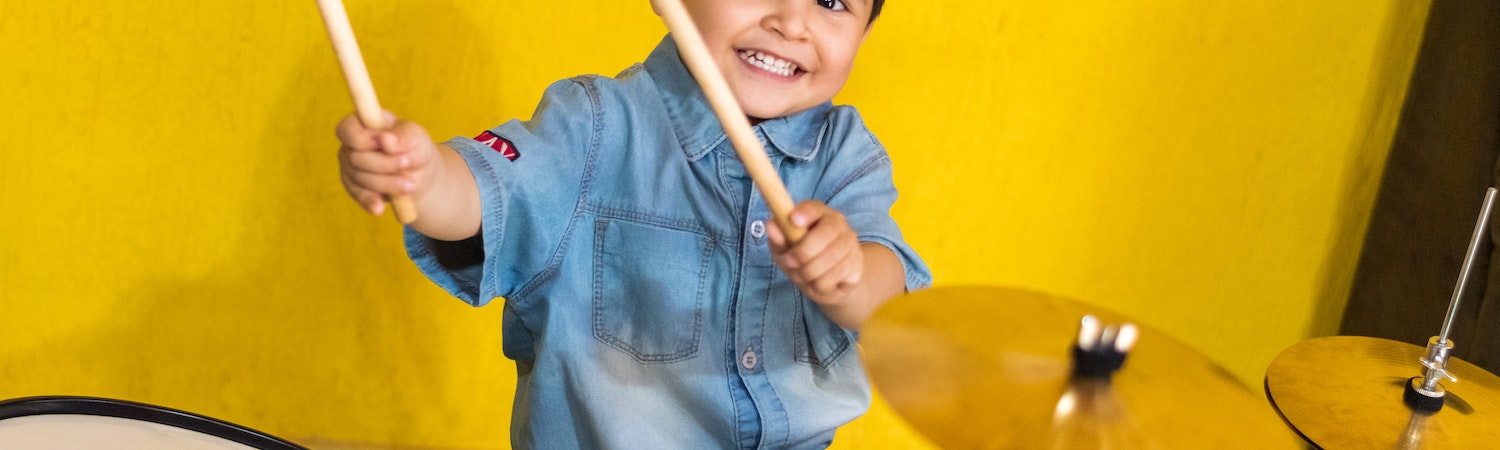
Drums: Often better for ages 5 and up due to coordination and motor skills
Remember, younger children may start with introductory group lessons or music classes that focus on rhythm, singing, and movement before tackling a full instrument.
Music lessons require a certain level of focus. Ask yourself:
Can your child sit through a 20–30 minute activity without losing interest?
Are they able to follow simple instructions?
Do they show curiosity about how music works or ask questions about songs and instruments?
If your child can focus for short periods and shows interest, they are likely ready for beginner music lessons.
Playing an instrument requires coordination and motor skills. Some indicators that your child is physically ready include:
Ability to use fingers independently (important for piano, guitar, and violin)
Good hand-eye coordination
Ability to maintain posture while sitting or standing with an instrument
For younger children, smaller or child-sized instruments can make learning easier and more enjoyable.
A child’s enthusiasm is one of the strongest predictors of success in music lessons. Look for signs such as:
Singing along to songs or humming tunes
Tapping out rhythms or drumming on household objects
Showing excitement when exploring instruments
Asking to learn music or play an instrument
If your child is curious and motivated, lessons are more likely to be a positive experience.
Music lessons also require patience, resilience, and the ability to handle small challenges. Your child may be ready if they:
Can cope with constructive feedback
Are willing to practice for a few minutes at a time
Show persistence when learning something new
Developing these emotional skills will help your child enjoy the learning process and progress steadily.
If your child shows signs of readiness, consider these tips:
Start with group or introductory classes: These classes often include games, singing, and basic rhythm activities
Choose a suitable instrument: Consider age, size, and interest
Keep sessions short and fun: Focus on enjoyment and engagement rather than perfection
Encourage practice: Short daily practice sessions are more effective than long, occasional sessions
Every child is unique, and readiness for music lessons depends on a combination of age, attention span, physical skills, motivation, and emotional maturity. By observing your child’s interests and abilities, you can determine the best time to start lessons.
Introducing music at the right time can spark a lifelong love for music, boost confidence, and develop important skills. Start small, focus on enjoyment, and watch your child thrive in their musical journey.