Improvisation is the art of creating music on the spot. Whether you’re playing solo or with others, improvising allows you to express your thoughts, emotions, and creativity in real time. It’s not only a fun way to make music, but also a powerful tool for developing musical skills and confidence.
In this guide, we’ll explore the styles, benefits, and practical tips for learning to improvise on any instrument.
Improvisation is used across cultures and musical genres, each with its own rules and traditions:
Jazz improvisation: Focuses on scales, chord progressions, and personal expression
Free improvisation: No set structure, allowing complete freedom of expression
Classical improvisation: Often explores ornamentation, embellishments, and thematic variation
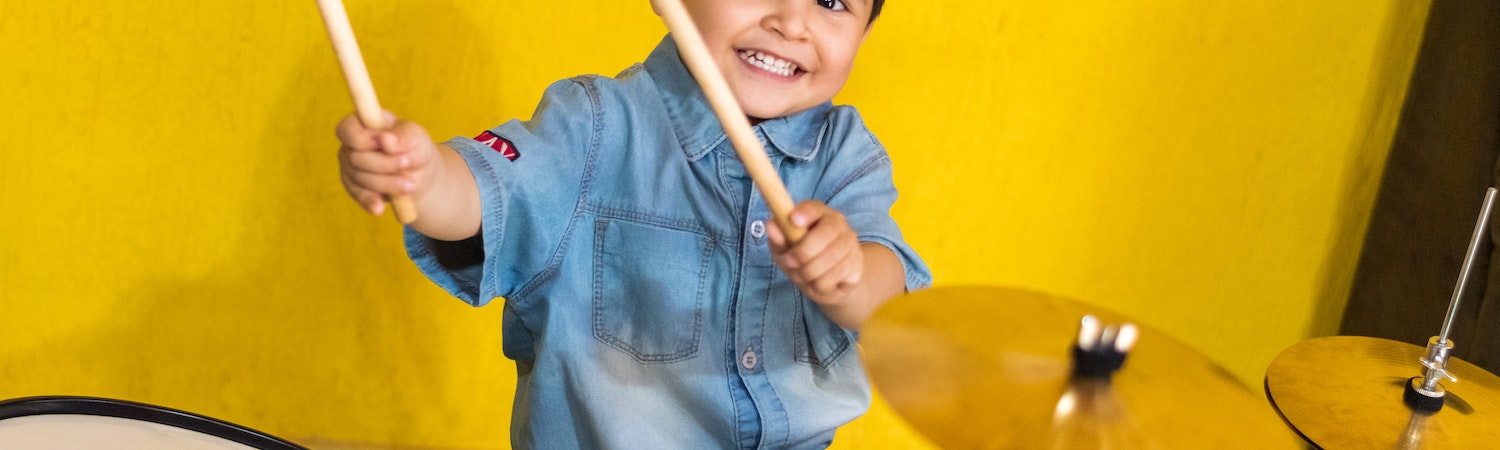
Percussion improvisation: Drums and hand percussion (like the djembe) offer rhythmic exploration
Learning to improvise in different styles helps musicians develop versatility and a broader musical vocabulary.
Improvising allows musicians to:
Draw on existing skills while developing new techniques
Focus on rhythm, melody, and harmony
Communicate ideas and emotions without written music
Historically, improvisation has been an essential part of musical culture, used to tell stories, share ideas, and express feelings. Most importantly, improvisation is fun and encourages creativity.
Not at all. Beginners can start improvising from day one. As you learn more musical concepts, your improvisation will naturally become more advanced and interesting. Age or experience is not a barrier. Improvisation is a skill anyone can develop with practice and confidence.
Like any musical skill, improvisation improves with structured practice. Here are some key methods:
Two essential elements for improvisation are:
Listening: Find songs, albums, or artists that inspire you. Listen closely to how they improvise and incorporate techniques into your own playing.
Practising: Apply what you’ve learned in your own practice sessions. Experiment with scales, rhythms, and chord progressions.
Using a teacher’s guidance can accelerate your progress by providing immediate feedback and personalised instruction.
Include improvisation in every practice session, even for a few minutes
Treat it as a fun, creative activity rather than a test
Encourage younger students to see improvisation as play, not pressure
Even expert improvisers begin slowly. Focus on simple scales or short phrases before moving to complex ideas. This helps build confidence and control.
Experiment with rules, such as:
Using a specific scale or key signature
Limiting the rhythm patterns
Exploring one new technique at a time
Guidelines provide structure while still allowing creative freedom.
Transcribing music helps you internalise musical ideas:
Write or memorise pieces to understand phrasing, dynamics, and improvisation techniques
Learn “licks” or phrases from songs you enjoy
Build a personal musical vocabulary for improvisation
Make it fun: Improvise over favourite songs, with friends, or even along with TV and movie music
Start simply: Use basic scales and gradually add complexity
Use dynamics: Vary volume and intensity to add expression
Embrace mistakes: Mistakes are part of learning; use them to experiment and grow
Record yourself: Listening back helps refine ideas and track progress
Improvisation is a key part of many musical genres and a fun way to develop your skills. You can improvise solo, with others, or alongside recordings. Consistent practice, listening, and guidance from a skilled teacher will help you grow as an improviser and musician.
If you’re ready to start your improvisation journey, consider lessons with a qualified teacher, either in person or online. With the right guidance, you’ll gain confidence, creativity, and a deeper connection to your music. Happy improvising!